









How to Pack a Carry-On for Two Weeks
Two weeks in one carry-on is genuinely possible, and it's better every time.
No baggage fees. No waiting at the carousel. No lost luggage. With the four-zone system and a capsule wardrobe, fourteen days fits comfortably into a 40L bag. It takes one trip to become a convert.
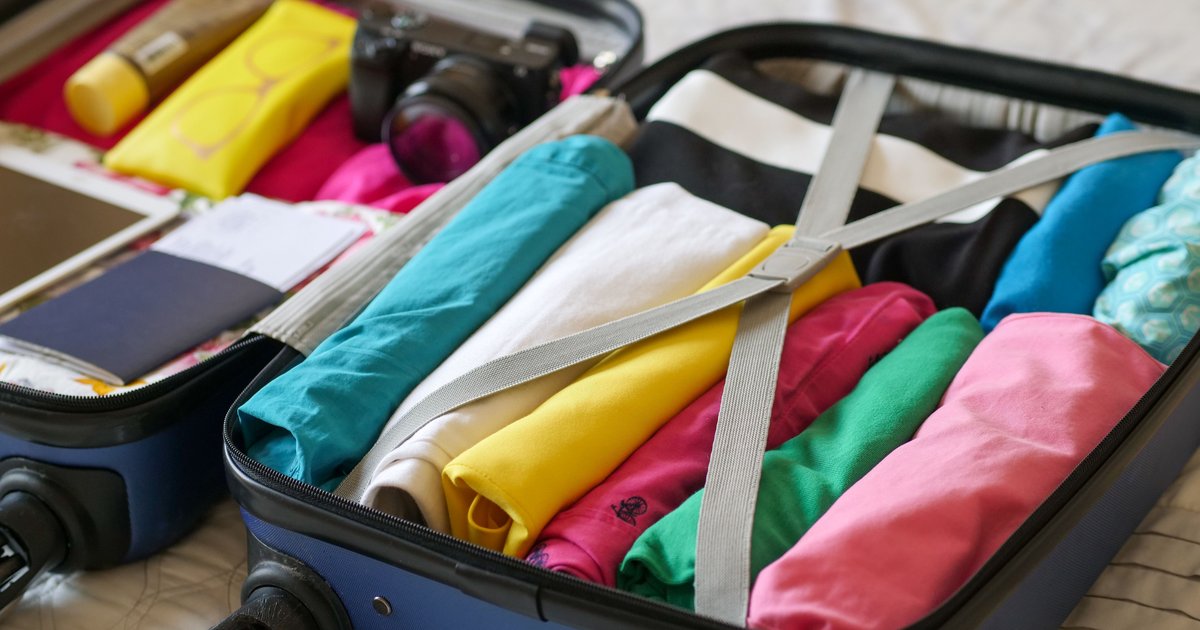
Two weeks of clothes, one bag. The four-zone system makes it feel completely natural after the first trip.
A 30-40L soft-sided backpack meets every airline's carry-on requirements and is far easier to move around in than a hard shell.
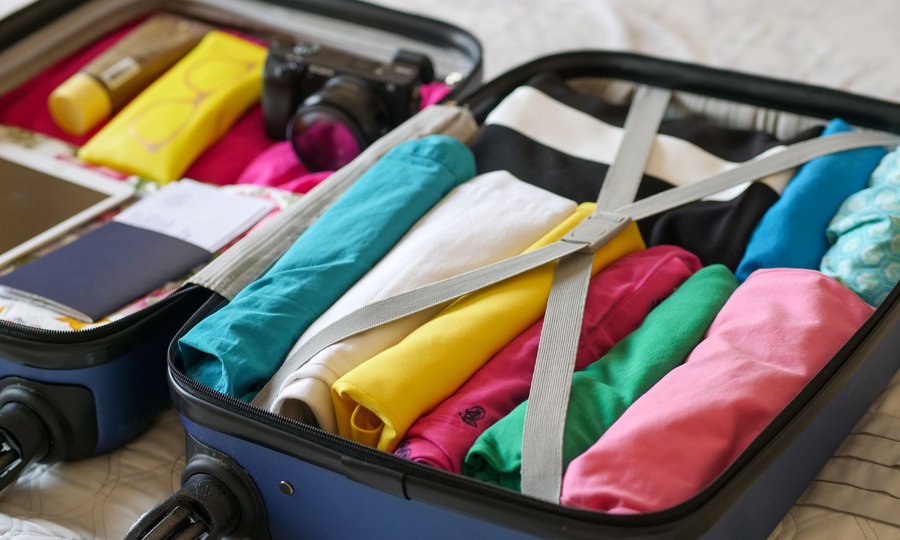
Compression packing cubes are the single biggest upgrade you can make to a carry-on setup. Everything in its zone, every re-pack in under ten minutes.
Two weeks. One carry-on. No checked bag. People look at you like you've said something deeply unreasonable. And then they spend 25 minutes at baggage reclaim watching the same three suitcases do laps of the belt while you're already in a taxi.
We've been doing this for years. It works. Not in a "technically possible but deeply unpleasant" way, but in a "genuinely comfortable, nothing missing, didn't have to handwash anything on day three" way. Here's the system.
Why carry-on only actually works
The first thing to sort out is the mental block, because most people overpack not because they need more stuff, but because they're scared of not having it. The "what if" packer is a real type. What if I need a fifth pair of shoes? What if there's a formal dinner, a hiking trip, and a beach day all on the same day?
"The version of you who packs four pairs of jeans has never, in recorded history, worn four pairs of jeans in two weeks." GO PAC team
Carry-on only forces a quality-over-quantity edit. Every item earns its place. You stop packing things you might wear and start packing things you will wear. That shift alone takes you most of the way there.
The practical side is just as compelling. No baggage fees. No waiting. No lost luggage. No lugging a 23kg monster through cobblestone streets to your hotel. A well-packed carry-on weighing around 7kg is genuinely easier to travel with than a checked bag that weighs three times as much.
✓ Carry-on only
- No baggage fees
- Skip baggage claim
- No lost luggage risk
- Fits in the overhead bin
- Move freely on cobblestones
✗ Checked bag
- Expensive extras per flight
- 25-minute wait at the carousel
- Real risk of lost or delayed bags
- Dragging through cobblestone streets
- Restricted on local transport
The four-zone packing system
Think of your bag in four zones, and fill them in this order. The sequence matters: zone one goes in first and zone four is the last thing you pack.
The four zones, in order
A 30-40L soft-sided backpack meets every carrier's requirements. Hard shells often measure slightly over on one dimension. A bag with a separate laptop sleeve is ideal for zone four. The GO PAC merch range includes bags designed for exactly this setup.
Always weigh your bag at home before you leave, every airline's carry-on limit is different, and the gate scale is the worst place to find out yours is over.
Clothes: the real equation
The one-outfit-per-two-days rule sounds strict until you realise it isn't, really. Most people rewear clothes on holiday. Linen and lightweight fabrics that air out overnight mean you can cycle through a small wardrobe without anything getting unpleasant.
A sensible baseline for two weeks: seven tops (a mix of t-shirts and something slightly smarter), four bottoms (two shorts or trousers, one linen option, one swimsuit if relevant), three underlayers, a light jacket or overshirt that doubles as warmth on the plane and an evening layer, and one dress or smarter piece if genuinely needed. That's it. That's a fortnight.
Rolling versus folding is a genuine debate. The answer: roll soft items (t-shirts, linen, jersey), fold structured ones (smarter shirts, trousers). The space saving is slightly overstated, but crease prevention is real.
Wear your heaviest items on travel days. Boots, chunky cardigans, bulky trainers, all go on your body. This isn't cheating, it's just physics.
How much does each strategy actually help?
What always goes in, what never does
Some items earn their place every single time. Others get packed by habit and never actually get used.
Lightweight packable tote or daypack. Reusable water bottle. Small first aid kit (plasters, ibuprofen, antihistamine). Universal travel adapter. Packing cubes. Microfibre travel towel if you're going anywhere beach-adjacent.
Full-size shampoo, conditioner, or body wash. Any liquid over 100ml. Hair straighteners or curling tongs unless genuinely essential. A third pair of shoes. Books "just in case", your phone has enough content for two weeks.
Shoes deserve a specific mention because they're the most common reason a carry-on fails. Two pairs maximum, worn on travel days where possible. One versatile trainer that works for walking and casual evenings, one sandal or smarter option depending on destination. The third pair rarely gets worn and takes a disproportionate amount of room.
Pack one outfit you can re-wear: dark colours, quick-dry, no logos. It's your "things went sideways" backup and it weighs almost nothing.
Five things people always forget
The forgotten five checklist
Are you a carry-on convert?
Find out where you stand
How many pairs of shoes are you currently planning to bring?
Do you have a plan for your toiletries?
How do you feel about re-wearing clothes on holiday?
Frequently asked questions
Yes, with the right system. Most people pack 2-3x what they actually wear. A capsule wardrobe of seven tops, four bottoms, and two pairs of shoes covers two weeks with room to spare. The four-zone system keeps everything organised so re-packing mid-trip takes under ten minutes.
Most airlines allow 40 x 25 x 20cm (Ryanair is strictest). Always check your specific airline before you fly. A 30-40L soft-sided backpack typically meets every carrier's requirements and is far more flexible in overhead bins than a hard-shell case.
Yes. Compression cubes increase usable space by roughly 30% and mean your bag stays organised after re-packs mid-trip. They're one of the few travel accessories that genuinely earn their cost. Look for double-zip compression versions rather than standard single-zip.
Decant everything into 100ml reusable bottles. Or buy shampoo and body wash at your destination, which is cheaper, fresher, and frees up considerable space. UK airports sell mini toiletries too if you forget. The anxiety around running out of suncream is a peculiarly British affliction: buy it there.
This is the real question. Budget for a checked bag at the gate (usually cheaper than at check-in) or post things home. Either is better than dragging a checked bag the whole trip. The freedom of carry-on travel is worth the occasional one-way compromise.